
In the realm of pet nutrition, the debate between wet dog food and kibble rages on among Malaysian pet parents. As caretakers seek the ideal balance between nutritional value, cost, convenience pet food, and palatability for their beloved companions, the choice between these feeding options becomes crucial.
This article delves into the intricacies of this ongoing discussion, exploring the various factors that influence pet parents’ decisions when it comes to selecting the most suitable diet for their furry friends.
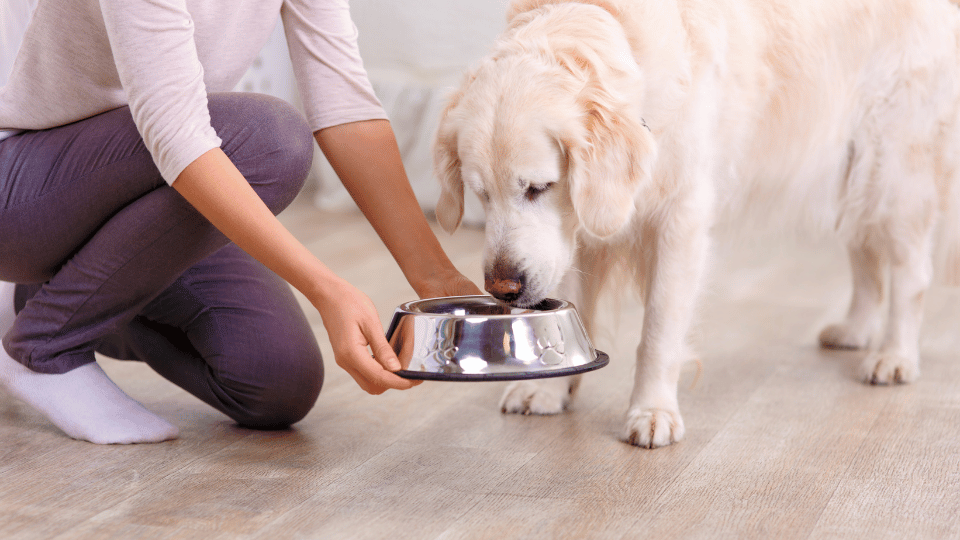
Nutritional Value Comparison
The nutritional value comparison between wet dog food and kibble reveals distinct differences in their ingredients and nutrient content. Wet dog food typically contains higher moisture levels, which can aid in hydration, especially for dogs that don’t drink much water.
On the other hand, kibble is more convenient and has a longer shelf life due to its lower moisture content. When comparing protein content, wet dog food often contains more animal-based proteins, which can be beneficial for muscle development and overall health. However, some high-quality kibbles also offer excellent protein sources.
In terms of carbohydrates, kibble usually contains more grains and fillers compared to wet dog food. This can be a concern for dogs with sensitivities or allergies to certain grains pet nourish. Ultimately, the choice between wet dog food and kibble depends on individual preferences, dietary needs, and the dog’s overall health.
Pet owners should consult with veterinarians to determine the most suitable option for their furry companions.
Cost Analysis: Wet Food Vs Kibble
Upon considering the nutritional differences between wet dog food and kibble, it is imperative to delve into the cost analysis of these pet food options for Malaysian pet parents. While wet dog food is generally pricier per serving compared to kibble, there are nuances in cost that pet owners should be aware of. Wet dog food tends to have higher water content, making it bulkier and less calorie-dense than kibble. This means that while the upfront cost may be higher for wet food, dogs may require larger portions to meet their nutritional needs, potentially offsetting the apparent cost difference.
Conversely, kibble is often more cost-effective in the long run due to its higher calorie concentration and longer shelf life. Pet parents who opt for kibble may find themselves spending less over time since smaller portions are needed per feeding. However, it is crucial for pet owners to consider their individual pet’s dietary requirements and budget constraints when making this decision. Ultimately, the cost analysis of wet dog food versus kibble is a multifaceted consideration that varies depending on factors such as the dog’s size, activity level, and specific nutritional needs.
Convenience Factor for Pet Parents
Considering the nutritional differences between wet dog food and kibble, the convenience factor for pet parents plays a crucial role in determining the most suitable option for their furry companions.
While wet dog food is often preferred for its higher moisture content and palatability, kibble offers the advantage of being easier to store, handle, and feed. For busy pet parents, the convenience of kibble lies in its longer shelf life, requiring less frequent shopping trips and storage space compared to wet food that needs refrigeration and has a shorter lifespan once opened.
Additionally, the ease of measuring and serving kibble makes it a convenient choice for pet parents with hectic schedules. On the other hand, wet dog food can be more convenient for pet parents seeking a quick and easy feeding option without the need for additional preparation.
Ultimately, the convenience factor becomes a significant consideration for pet parents balancing their time and responsibilities while ensuring their pets receive adequate nutrition.

Palatability and Preference Considerations
In assessing palatability and preference considerations between wet dog food and kibble, pet parents in Malaysia face a crucial decision regarding their furry companions’ diet. Palatability plays a significant role in ensuring that dogs enjoy and consume their meals willingly. Wet dog food often appeals to picky eaters due to its higher moisture content, stronger aroma, and meatier texture, mimicking a closer resemblance to fresh meat.
On the other hand, kibble offers a crunchier texture that some dogs prefer, and it is more convenient for free-feeding throughout the day.
Understanding a dog’s individual preferences is essential in determining which type of food to provide. Some dogs may have dental issues that make chewing kibble uncomfortable, leading them to favor wet food. Others may enjoy the variety in textures and flavors that come with alternating between wet food and kibble.
Ultimately, pet parents should consider their dog’s specific tastes and needs when deciding between wet dog food and kibble, ensuring that their furry companions receive a diet that they not only enjoy but also benefits from nutritionally.
Health Implications of Food Choices
The health implications of the food choices between wet dog food and kibble are crucial considerations for pet parents in Malaysia. Wet dog food typically contains higher moisture content, which can aid in hydration and be beneficial for dogs with certain health conditions such as kidney disease or urinary tract issues. On the other hand, kibble promotes dental health by helping to reduce plaque and tartar buildup through its crunchy texture. However, some kibble may contain more fillers and artificial ingredients compared to wet dog food, which could potentially impact a dog’s overall health in the long term.
When deciding between wet dog food and kibble, pet parents should also consider their dog’s individual health needs, preferences, and lifestyle. Consulting with a veterinarian can provide valuable insight into which type of food would be most suitable for a specific dog. Ultimately, the health implications of food choices play a significant role in ensuring the well-being and longevity of our beloved canine companions.
Conclusion
In conclusion, the debate between wet dog food and kibble in Malaysia is multifaceted, considering factors such as nutritional value, cost, convenience, palatability, and health implications.
Both options offer different benefits and drawbacks for pet parents to consider when choosing the best food for their furry companions.
Ultimately, the decision should be based on individual needs and preferences, as well as consulting with a veterinarian for guidance.